Review article · OPEN ACCESS
Research Progress on Estimation Methods of Forest Evapotranspiration Based on Bibliometrics
- 1School of Science, Inner Mongolia University of Technology, Hohhot, Inner Mongolia 010051, China
- 2College of Science, Inner Mongolia Agricultural University, Hohhot, Inner Mongolia 010018, China
- 3National Orientation Observation and Research Station of Saihanwula Forest Ecosystem in Inner Mongolia, Daban, Chifeng 025000, China
- 4Department of Biology, Chemistry and Geography, Nipissing University, North Bay, Ontario, Canada
- 5Inner Mongolia Academy of Science and Technology, Hohhot, Inner Mongolia 010000, China
- Received:
- Accepted:
- Published:
Abstract
Forest evapotranspiration (ET), a core process of water vapor exchange between forest ecosystems and the atmosphere, is crucial for global carbon and water cycles and ecosystem stability. However, its high-precision estimation faces challenges arising from complex forest structures and multi-factor driving mechanisms. Based on bibliometrics, this study visually analyzed 1,427 relevant papers from the Web of Science Core Collection (2005-2025) to summarize research status, hotspots and frontiers. Results show continuous growth in publications over two decades, peaking during 2017-2022. Journal co-occurrence reveals that Agricultural and Forest Meteorology ranks first, contributing 212 papers and 10,438 total citations with an average of 49.24 cites per article. The Chinese Academy of Sciences, University of CAS and USDA form a close collaboration network led by 279 core authors. Hotspots concentrate on eddy covariance (460 occurrences), remote sensing inversion (134) and machine learning (124, rapidly rising since 2017). Eddy covariance remains the “gold standard”; remote sensing breaks spatiotemporal limits by integrating multi-source data; machine learning, exhibiting the greatest advances, improves accuracy by 45% in complex environments (burst intensity 17.91 since 2017), promoting hybrid “physical mechanism + data-driven” models. Research evolved through three stages: traditional observation dominance (2005-2010), physical model optimization (2010-2016), and intelligent algorithm innovation (2017-present), with applications spanning ecological assessment and water resource management.
Keywords: Forest evapotranspiration;Estimation methods;Bibliometrics;Research hotspots;Research frontiers
1. Introduction
Forests, as core ecosystems in the global carbon cycle, water cycle, and energy balance, play a significant role in maintaining ecosystem stability, regulating regional hydrological patterns, and addressing climate change through their evapotranspiration processes (Dolmanetal.2003;Ge,Pengetal.2017). Accurately estimating forest evapotranspiration is not only fundamental to understanding forest ecohydrological processes but also serves as a critical scientific basis for forest resource management, sustainable water resource utilization, and global climate change research (Shao et al. 2022; Sun et al. 2025). Forest ET directly links to global climate and water challenges: it mediates 60-70% of terrestrial precipitation recycling (Moustafa et al. 1992), influencing rainfall and drought patterns. Shifts like boreal ET increases (12-18% post-permafrost thaw) and tropical ET declines (5-10% in fragmented forests) amplify climate variability, with feedbacks to carbon sequestration. For water security, forested watersheds supply 75% of global freshwater; precise ET estimates optimize allocation—from arid irrigation to Himalayan reservoir management (WASTI et al. 2020).
However, three critical global knowledge gaps persist, exacerbating the challenges of high-precision estimation: First, geographical and ecological bias in coverage remains prominent. Most in-situ studies and model validations focus on temperate forests of North America, Europe, and East Asia (Nouri et al. 2022), while tropical, boreal, and mountainous forests-key to the global water cycle-are severely underrepresented(Yang et al. 2023). This creates "data deserts" in regions with distinct dynamics (e.g., humid Amazonian or complex Himalayan forests), limiting global generalizability. Second, methodological fragmentation hinders cross-scale integration. Eddy covariance (the "gold standard") provides high-precision local data but misses regional heterogeneity (Scholz et al. 2021), while remote sensing inversion offers large-scale estimates but lacks validation in complex areas (Pareeth and Karimi 2023). Machine learning models, effective for non-linear relationships, are rarely compared across forest types, raising doubts about their transferability (Amani and Shafizadeh-Moghadam 2023). This disconnect impedes unified frameworks. Third, unidentified tracking of methodological evolution obscures progress. The field has shifted from traditional physical models to hybrid "process-data" approaches, but the trajectory-including context-specific method dominance (e.g., arid vs. humid forests) or technological solutions to historical gaps-remains unquantified (Chia et al. 2020), limiting efficient knowledge accumulation.
Against this backdrop, the complexity of forest ecosystems and the multi-dimensional driving mechanisms of evapotranspiration have become major bottlenecks. the complexity of forest ecosystems and multi-dimensional driving mechanisms of evapotranspiration have become major bottlenecks. The spatial heterogeneity of forest structures — vertically stratified canopies with varying heights, densities, and phenology-creates gradients in parameters like canopy conductance and leaf area index (Liu et al. 2018; Zhou, Chenran et al. 2025), making singlepoint data unrepresentative at regional scales and biasing uniform-surface models in complex terrains (Hadiwijaya et al. 2021). Multi-factor coupling between meteorological (radiation, temperature) and biophysical (soil texture, vegetation physiology) factors introduces non-linear interactions that resist linear statistical methods (Lu et al. 2011; Paul-Limoges et al. 2020; Zhang et al. 2024; Wang et al. 2021). Traditional observation methods also face spatiotemporal limitations: eddy covariance, though a "gold standard," is restricted to small scales (Hiller et al. 2008; Scholz et al. 2021), while high-cost in-situ monitoring creates "data blind spots" in remote regions (Nouri et al. 2022; Yang et al. 2023).
Recent advancements in remote sensing, Internet of Things monitoring and artificial intelligence algorithms have offered new solutions to these challenges. Remote sensing inversion integrates satellite thermal infrared and optical data via energy balance models to estimate evapotranspiration at regional to global scales (Tang et al. 2012; Pareeth and Karimi 2023). Machine learning algorithms, by mining non-linear relationships in multi-source data, have significantly improved estimation accuracy in complex environments (Amani and Shafizadeh-Moghadam 2023; Sharafi and Ghaleni 2024). However, current methods still face issues like insufficient data fusion accuracy and shallow embedding of physical mechanisms (Chia et al. 2020). Thus, systematically integrating "physical process constraints" and "data-driven innovation" has become key to solving the problem of high-precision forest evapotranspiration estimation.
Using bibliometric methods, this study visually analyzed 1427 literatures from the Web of Science Core Database (2005–2025) to summarize the research context and developmental stages of forest evapotranspiration estimation methods, identify core research institutions, scholars, and journal co-occurrence networks, and analyze keyword co-occurrence and clustering characteristics to reveal research hotspots and frontier trends in this field.
2. Materials and Methods
2.1. Data Sources
This study selected the Science Citation Index Expanded (SCI-EXPANDED) and Conference Proceedings Citation Index (CPCI-S) from the Web of Science Core Database as data sources. The search formula for literature data was: TS =((forest OR "forest ecosystem" OR woodland OR "tree canopy") AND (evapotranspiration OR ET OR "water flux") AND ("remote sensing" OR "eddy covariance" OR lysimeter OR "Penman-Monteith" OR SEBAL OR "machine learning") NOT (urban OR crop OR agriculture*))**, this exclusion criterion was designed to focus strictly on forest ecosystems; however, it may introduce a potential limitation: studies from adjacent fields such as agroforestry or forest ecotones—where ET estimation methods could be highly relevant to forest systems-might be inadvertently omitted. These fields often share methodological overlaps with forest research, particularly in addressing vegetation-water interactions, making their exclusion a trade-off between thematic focus and comprehensiveness. With a time-span from 2005 to 2025 (retrieval deadline: May 9, 2025), and literature types were limited to Articles and Review Articles. A total of 2194 publications were initially retrieved (including 2160 journal articles and 34 review articles). After manual screening and deduplication using the CiteSpace software, 1427 valid articles were finally obtained.
2.2. Research Methods
Bibliometrics, a key branch of informatics, systematically combs and deeply interprets research fields by quantifying the quantitative characteristics, distribution laws, and citation relationships of scientific literature. Its core value lies in transforming complex academic research into a quantifiable indicator system and revealing the research status, hotspots, and development trends of disciplines through data mining and visualization technologies (Chen, Weijun 2001; Hicks and Melkers n.d.). In the study of forest evapotranspiration estimation methods, it provides multi-dimensional analytical perspectives by quantifying research trends, identifying research hotspots, and revealing technological contexts.
In this study, we used Citespace and VOSviewer software to analyze 1427 papers related to forest evapotranspiration estimation methods from 2005-2025 in the Web of Science core database. The data were first pre-processed to remove weights and filters, and then analyzed from multiple dimensions using the two software; Citespace was used to reveal the knowledge evolution, analyze institutions, authors, keywords, etc., and interpret the maps after setting specific parameters (Chen 2004; Chen and Song 2019); VOSviewer focuses on visualizing associations, defining core authors according to Price's law, and displaying the collaborative networks (Liu et al. 2022) and Perform journal network mapping (Cheng et al. 2021). In this study, we constructed a framework from the dimensions of publication characteristics, research groups, and research contents, and sorted out the research hotspots, evolutionary processes, and research frontiers of the forest evapotranspiration estimation methods through the analyses of statistics, co-occurrence, clustering, and emergence detection.
3. Results and Discussion
3.1. Analysis of literature on forest ET estimation methods
3.1.1 Issuance of communications
The 1427 articles used in this study came from 6108 authors from 96 countries, published in 228 journals, and cited 50195 citations from 10730 journals. In order to analyze the research dynamics in the field of forest evapotranspiration estimation methods in depth, we plotted the yearly distribution of the number of published articles by statistical analysis (Fig. 1). As can be seen from the figure, the number of publications in this field shows a yearly increasing trend, which indicates that the research enthusiasm of forest ET estimation methods is increasing. Over the past two decades, the research on forest ET estimation methods has shown three phases: From 2005 to 2016, the number of published articles increased steadily, reflecting growing scholarly attention to forest evapotranspiration (ET) research and the continuous emergence of related studies. Between 2017 and 2022, publications continued to rise, reaching a peak of 138, with notable enthusiasm for forest ET estimation methods and marked expansion in both research depth and breadth, attracting broader academic engagement. From 2023 onward (data retrieved until May 9, 2025), the number of articles shows an apparent decline, largely due to incomplete data for 2024–2025, as only partial records were available. This trend also reflects the inherent lag in academic publishing, since many recent studies remain in peer review, revision, or manuscript preparation and are therefore not yet indexed in the Web of Science database.
Notable peaks align with global events. Post-2015 Paris Agreement, 2016-2017 publications rose 23% with focus on ET-climate resilience links. After 2010 Cancún Agreements, 2011-2012 saw 17% growth tied to tropical forest ET for REDD+. Post-2020 UN Biodiversity Conference, 31% more studies addressed ET in extreme climates, matching resilience goals. This trend indicates that research on forest evapotranspiration estimation methods is not only driven by academic progress but also responds to global policy demands and environmental challenges, forming a dynamic interaction between scientific research and practical needs.
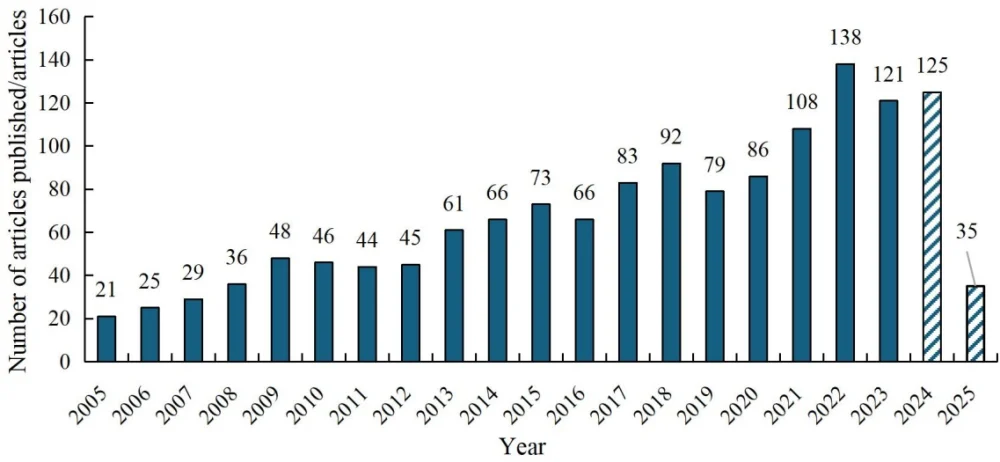
Fig. 1 Statistics on the number of publications in the research area of forest evapotranspiration estimation methods (Note: Data for 2024 and 2025 are partial due to the retrieval cutoff on May 9, 2025, with full-year records pending. The observed trend does not represent a genuine decline in research output.)
3.1.2 Institutional co-occurrence analysis
By visualizing and analyzing the co-occurrence network mapping of institutions, the collaboration between institutions in the field and their position in the research can be clearly seen (Hu, Zewen et al. 2013). In Citespace software, the time span of 2005-2025 is selected, the time slice is 1, the node type is selected as institutions, and the TOPN% is set to 10, and the co-occurrence mapping of the institutions in the research field is obtained as shown in Fig. 2, which shows 297 nodes of the network of the research institutions and 1624 connecting lines. The network density is 0.0369, and the top three core institutions in terms of publications and impact are Chinese Academy of Sciences, University of Chinese Academy of Science, United States Department of Agriculture (USDA), among which, Chinese Academy of Sciences is the most influential institution.
To deepen the analysis, we further examined the collaboration patterns of these core institutions. For CAS, statistics on its collaborative publications show that 78% of its cooperative studies are with domestic institutions (e.g., Beijing Forestry University, Nanjing Forestry University), indicating a predominantly domestic collaboration orientation. This pattern is closely related to its research focus on field-based modeling-such studies rely on in-situ observation data of specific forest ecosystems in China, and domestic institutions have more advantages in accessing local research sites and accumulating long-term data. In contrast, USDA's collaboration network presents a different characteristic. Among its collaborative publications, 53% are with international institutions (e.g., University of Göttingen in Germany, University of Melbourne in Australia), and 47% are with domestic institutions. This relatively balanced domestic and international collaboration pattern is associated with its emphasis on remote sensing applications. Remote sensing-based research on forest evapotranspiration often requires cross-region data integration and technical exchange, thus promoting more international cooperation.
Notably, these patterns reflect broader regional differences between developed and developing countries. Institutions in developed countries (e.g., USDA, University of Göttingen) tend to form extensive international networks, driven by their focus on global-scale methodologies (e.g., remote sensing data fusion, global ET product development) that require cross-border data and technical synergy. In contrast, institutions in developing countries (e.g., CAS, Indian Institute of Forestry Research) prioritize domestic collaborations, aligning with their focus on region-specific challenges (e.g., ET in arid/semi-arid forests, complex terrain adaptation) that rely on local in-situ data and site access. However, recent years (2020-2025) have seen growing south-north collaboration, particularly in climate change-related ET research (e.g., Himalayan watershed studies involving Chinese, Nepalese, and European institutions), bridging these regional focuses.
It is evident that the collaboration network structure of core institutions is correlated with specific research themes: domestic-oriented collaboration networks (represented by CAS) tend to focus on field-based modeling, while institutions with more international collaborations (represented by USDA) are inclined to engage in research related to remote sensing applications.
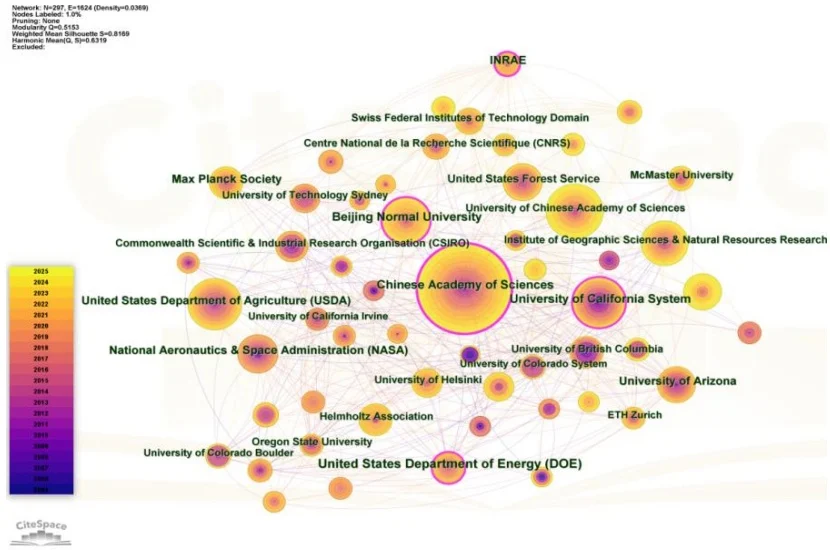
Fig. 2 Institutional co-occurrence mapping of forest evapotranspiration estimation methods
3.1.3. Author co-occurrence analysis
The visualization and analysis of the author co-occurrence network mapping provides a clear picture of the collaboration of the main researchers in the field and their position in the research (Meng, Fanrong et al. 2016). Price's Law is an important law in bibliometrics that describes the unevenness of the output of scientific literature, and its central idea is that the number of core authors in a given field of study is approximately the square root of the total number of authors in the field, and the number of publications by these core authors is approximately half of the total literature in the field (Li et al. 2024), that is:
where n(x) denotes the number of authors who published x articles, is the number of papers by the author with the highest number of publications in the field of study, N is the total number of authors, and m is the minimum number of publications by core authors.
In VOSviewer software, the 1427 articles under study were imported by first selecting Create Map, selecting Co-authorship under Type of analysis, and then selecting Author under Unit of analysis. According to the co-occurrence results, during 2005-2025 the author with the highest publication output in forest evapotranspiration estimation methods contributed papers, by the law of Price's Law, , according to the principle of rounding, the authors with 4 or more publications (a total of 279 authors) were designated as the core authors in the field, These 279 core authors are involved in 1185 unique publications as authors (including first authors, corresponding authors, or co-authors), and these 1185 publications account for 83% of the total 1427 publications in the dataset, reached the sum of the number of publications by core authors accounted for 50% of the total number of publications, which is the criterion proposed by Price (Price 1963), a core author group has been formed. The criterion of 50% of the total number of literatures published by the core authors proposed by Price was met, which means that a core group of authors has been formed, so it can be assumed that the research field of forest evapotranspiration estimation methods has formed a more stable group of authors' cooperation. The minimum number of articles published by the authors was set to 4 in the software, and the authors' co-occurrence map was finally drawn as shown in Fig. 3. The authors' co-occurrence map also shows that researchers in the field of forest evapotranspiration estimation methods have formed a close cooperative network, with close cooperation within groups and also between different groups, and the core authors have played an important role in promoting research development and international cooperation. Table. 1 shows the top 6 authors in terms of the number of publications in the field.
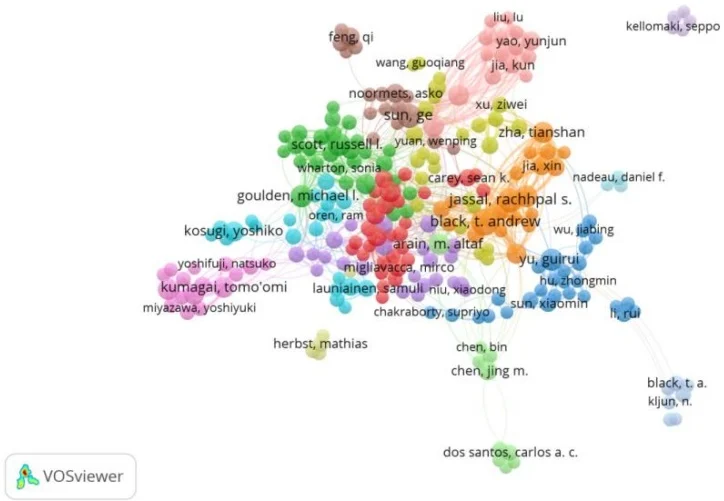
Fig. 3 Authors' co-occurrence mapping of forest evapotranspiration estimation methods
Table 1. Top six authors in terms of publications
| Rank | Author | Documents | Citations | AverageCitation/Publication |
| 1 | Black,T.Andrew | 23 | 1491 | 64.83 |
| 2 | Jassal,RachhpalS. | 17 | 1020 | 60 |
| 3 | Sun,Ge. | 17 | 817 | 48.06 |
| 4 | Scott,RussellL | 15 | 966 | 64.6 |
| 5 | Nesic,Zoran. | 14 | 863 | 61.64 |
| 6 | Goulden,Machiel L | 14 | 1354 | 96.71 |
From the top 6 authors in terms of number of publications, the author with the highest number of publications is Black, T. Andrew., with a total of 23 publications from 2005 to May 2025, receiving 1491 citations, with an average number of citations of 64.83; in second place are Jassal, Rachhpal S. and Sun, Ge, with a total number of 17 publications, receiving 1020 and 817 citations, with an average number of citations of 60 and 48.06, respectively. From the analysis of published papers, Black, T. Andrew. and Jassal, Rachhpal S., both working at Columbia University and collaborating with each other for a long period of time, have mainly focused on the application of eddy correlation techniques (JASSAL et al. 2008; Jassal et al. 2009), long-term observation of water carbon fluxes in forest ecosystems (Gaumont-Guay et al. 2006), and the effect of climate change on ET (Brümmer et al. 2012). Although Goulden, Machiel L only published 14 articles in these 20 years, he received 1,354 citations, with an average of 96.71 citations per article. He mainly uses interdisciplinary methods, such as model analysis and long-term ecological observation data, to indirectly explore the relationship with forest evapotranspiration (Goulden and Fellows 2011; Roche et al. 2018).
3.1.4. Analysis of journal co-occurrence
Journal co-occurrence analysis reveals networks of scholarly associations and knowledge flows within subject areas by quantifying how often different journals are co-cited in the literature. In this study, we used VOSviewer software to analyze the journals published in 1427 documents, set the minimum number of co-occurrences as 10, and constructed a journal co-occurrence network mapping (Fig. 4). The network contains 30 journal nodes, with node size representing the total number of citations, node spacing reflecting the degree of co-occurrence closeness, and connecting line thickness indicating the intensity of co-occurrence. Table 2 shows the top ten journals in terms of the number of articles loaded. Among them, Agricultural and Forest Meteorology ranks first with 212 articles and 10438 total citations, it has an extremely high total of 10438 citations, with an average of 49.24 citations per paper. In 2024, its Impact Factor stands at 5.7, and it is categorized as Q1 in JCR and ranks in the first tier of the Chinese Academy of Sciences (CAS) classification for Agricultural and Forestry Sciences. This journal is at the core of the mapping and closely co-occurs with a large number of journals, suggesting that the research over the years has focused on the forest and agro-meteorological. It shows that these years' research mainly focuses on forest and agricultural meteorological processes, energy exchange (Richardson et al. 2013; Yu et al. 2023) and other cutting-edge researches, which provide key theoretical and methodological support for the development of the field. Journals such as Journal of Hydrology and Hydrological Processes also have a certain number of articles and citation frequency. The Journal of Hydrology, with an Impact Factor of 6.3 in 2024, is categorized as Q1 in JCR and ranks in the first tier of the CAS classification for Earth Sciences. It is intertwined with journals of hydrology, meteorology, and remote sensing sciences, which reflect that the research on estimation of forest evapotranspiration is presenting a new trend, the research on forest evapotranspiration (ET) estimation is showing a multidisciplinary and in-depth integration (Zou et al. 2017; Xu et al. 2019; Heiss et al. 2020; Lu et al. 2020). Global Change Biology has 91.49 citations per article in the field of ET estimation methodology. In 2024, the journal achieved an Impact Factor of 12 and was ranked Q1 in JCR. Its scope emphasizes the interactions between ecosystem processes and climate change at the global scale. Research on forest evapotranspiration, as a core component of both the terrestrial hydrological and carbon cycles, inherently possesses trans-regional and long-term characteristics. These macro-attributes make it highly compatible with the journal’s positioning as a platform for large-scale and interdisciplinary studies (Chen et al. 2022; Wang and Wang 2023). As a sub-proceeding of Nature, the average reviewing cycle of its articles reaches as long as 18 months, which ensures that the results of the published results are of a high standard. Meanwhile, through the global promotion of Nature series platforms, the research results can quickly reach scholars in ecology, climatology, hydrology and other fields, resulting in interdisciplinary citation effects (Reichstein et al. 2007; Zhan et al. 2022).
Similarly, journals like Journal of Hydrology (average citations: 68.32) and Remote Sensing of Environment (average citations: 72.56) reflect the field’s integration with hydrological science and remote sensing technology, respectively. Their presence in the top list reinforces the interdisciplinary nature of forest ET research, which draws methods and questions from ecology, hydrology, climatology, and geomatics. Together, these journals illustrate how forest evapotranspiration research serves as a nexus for diverse scientific themes, bridging specialized methodologies with large-scale environmental challenges. This expanded perspective on journal characteristics enriches our understanding of the field’s intellectual landscape and its connections to broader scientific discourse.
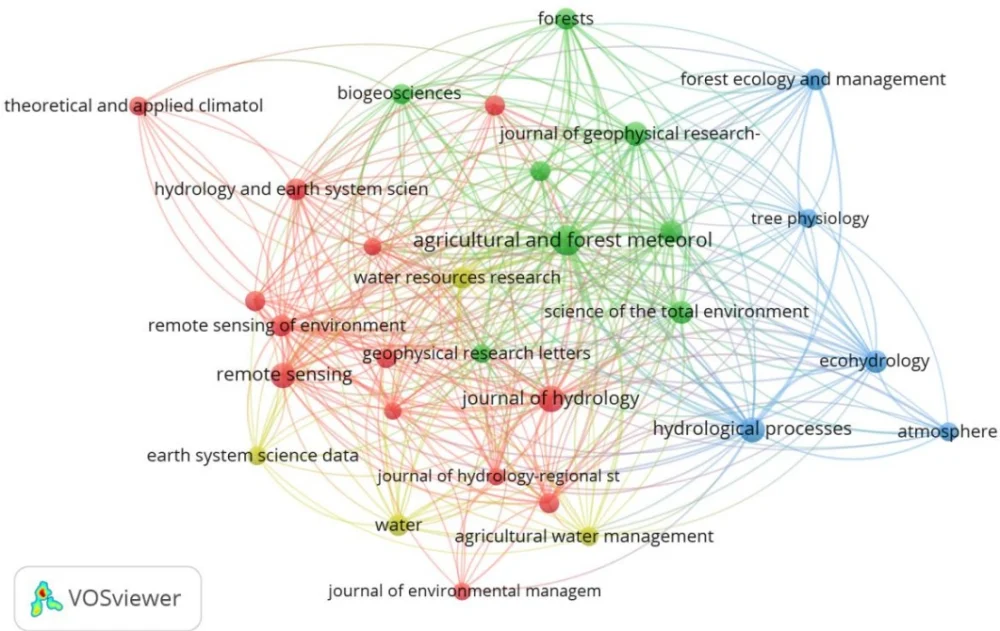
Fig. 4 Journal co-occurrence mapping of forest evapotranspiration estimation methods
Table 2. Top 10 journals in terms of articles carried
| Rank | Source | Publications | Citations | AverageCitation/Publication |
| 1 | Agriculturaland ForestMeteorology | 212 | 10438 | 49.24 |
| 2 | JournalofHydrology | 91 | 4269 | 46.91 |
| 3 | HydrologicalProcesses | 65 | 1566 | 24.09 |
| 4 | RemoteSensing | 65 | 1129 | 17.37 |
| 5 | JournalofGeophysicalResearch-Biogeosciences | 49 | 2582 | 52.69 |
| 6 | GlobalChangeBiology | 41 | 3751 | 91.49 |
| 7 | Ecohydrology | 40 | 959 | 23.98 |
| 8 | ScienceofTheTotalEnvironment | 39 | 689 | 17.67 |
| 9 | HydrologyandEarthSystemSciences | 29 | 1301 | 44.86 |
| 10 | Forests | 29 | 449 | 15.48 |
3.2. Analysis of research hotspots
3.2.1 Author co-occurrence analysis
Keyword co-occurrence analysis can reveal the research hotspots and theme evolution in the field of forest ET estimation methods. In Citespace software, the node type was set to Keywords, and the rest of the settings were the same as 3.1.2, and the keyword co-occurrence map was drawn (Fig. 5), in which the size of the nodes represented the frequency of the keywords, and the connecting lines between the nodes indicated the co-occurrence relationship between the keywords, and the thickness of the connecting lines reflected the intensity of the co-occurrence. As can be seen from the figure, the co-occurrence map contains 277 keyword nodes and 2,632 lines, and the density of the keyword contribution network is 0.0689. The "eddy covariance" node has the highest frequency of occurrence and the largest node. The keywords "evapotranspiration", "forest" and "climate chance" also appear more frequently and have relatively larger nodes. The nodes are also relatively large. Citespace was used to obtain information about the 20 keywords with high frequency, as shown in Table 3.
Table 3 showed that beyond its high frequency, "eddy covariance" also exhibits a notable centrality score of 0.21 in the network, a metric that underscores its pivotal role as a methodological linchpin. This centrality reflects its unique ability to bridge disparate research themes: it connects concepts like "carbon dioxide" and "fluxes" through its role in quantifying biosphere-atmosphere exchanges, while also linking to "climate change" by providing critical data on how forest evapotranspiration and carbon dynamics respond to environmental shifts. This bridging function is methodologically significant. As a standardized technique for measuring turbulent fluxes (including water vapor and carbon dioxide) between ecosystems and the atmosphere, eddy covariance serves as a common methodological thread across studies focusing on hydrological processes, carbon cycling, and climate feedbacks. Its centrality in the keyword network thus mirrors its real-world role in integrating diverse research strands, enabling cross-theme comparisons and synthesis. For instance, studies on "climate change impacts on forest ecosystems" often rely on eddy covariance data to contextualize flux changes, while research on "carbon sequestration" uses the same technique to quantify ecosystem carbon uptake-highlighting how this method fosters coherence across the field. This emphasis on its bridging role enhances our understanding of how methodological advancements like eddy covariance facilitate interdisciplinary progress in forest evapotranspiration research.
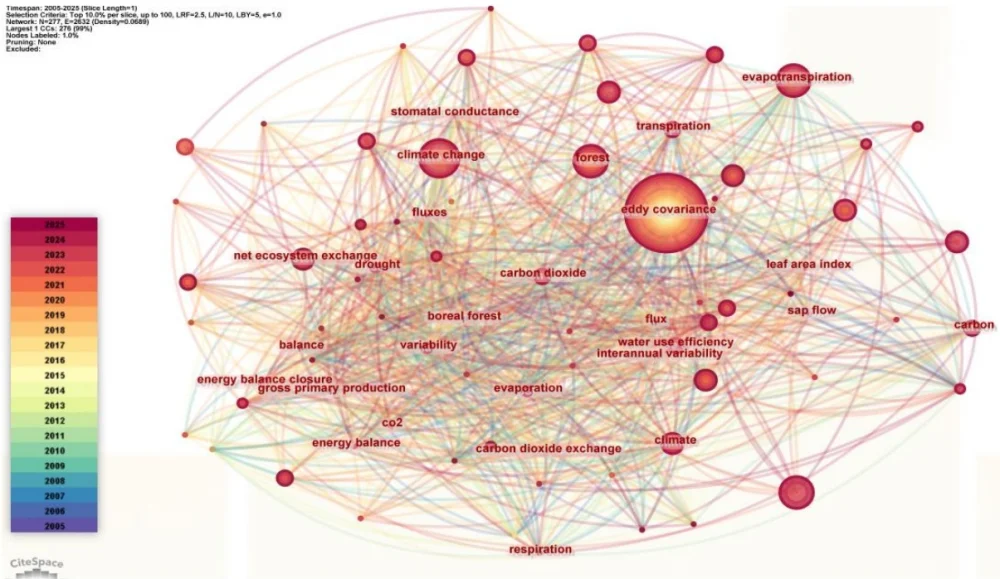
Fig. 5 Co-occurrence mapping of research keywords for forest evapotranspiration
Table 3. Top 20 High Frequency Keywords
| byword | particularyear | centrality | frequency |
| eddycovariance | 2005 | 0.21 | 460 |
| evapotranspiration | 2005 | 0.18 | 311 |
| forest | 2007 | 0.11 | 249 |
| climatechange | 2006 | 0.16 | 206 |
| carbon dioxide | 2005 | 0.09 | 204 |
| evaporation | 2005 | 0.04 | 161 |
| transpiration | 2005 | 0.06 | 140 |
| climate | 2006 | 0.05 | 135 |
| remote sensing | 2005 | 0.03 | 134 |
| water | 2008 | 0.04 | 132 |
| stomatal conductance | 2005 | 0.10 | 130 |
| sap flow | 2007 | 0.05 | 128 |
| machince learning | 2019 | 0.07 | 124 |
| model | 2005 | 0.07 | 124 |
| net ecosystem exchange | 2008 | 0.05 | 122 |
| modis | 2009 | 0.04 | 107 |
| precipitation | 2017 | 0.04 | 104 |
| flux | 2009 | 0.05 | 104 |
| random forest | 2020 | 0.04 | 103 |
| energy balance | 2008 | 0.04 | 98 |
The frequency of a keyword reflects the attention of scholars to the topic, while its centrality reflects the centrality of the topic within the research field (Soós and Kiss 2020). When the frequency and centrality of a keyword are both high, it indicates that the topic not only receives widespread attention, but also is an important theoretical foundation and hot direction within the research field. According to Table 3, it can be seen that the word eddy covariance appears in the first place in both frequency and centrality, and is the most central node in the whole field with the deepest influence. Scholars in this research field first started to study the estimation of forest ET with the introduction of eddy covariance, and Authors focused on how to separate net ecosystem exchanges into assimilation and ecosystem respiration, and proposed an improved algorithm, which laid the foundation for the subsequent study of ET in forest ecosystems by using eddy covariance method (Reichstein et al. 2005), and other processes in forest ecosystems using the eddy covariance method. Follow-up researchers focused on the application of eddy covariance method under different climatic conditions and forest types to analyze the dominant factors, spatial and temporal characteristics and energy balance of ET in forests in the arid desert region of northwestern China (Ma et al. 2017), and in moist deciduous forests in the foothills of the Himalayas of northwestern India (Srinet et al. 2022). Foltýnová et al. (2019) research focuses on data processing, which addresses the problem of missing data in eddy covariance latent heat flux measurements, and puts forward suggestions and methods for interpolation using edge distribution sampling, which can help to improve the accuracy of forest ET estimation. These research results continue to promote the accuracy and applicability of eddy covariance in the field of forest evapotranspiration estimation, and deepen the understanding of water cycling in forest ecosystems.
Apart from the term "eddy covariance", nodes such as "evapotranspiration", "forest", and "climate change" are relatively large and have high centrality, indicating that these keywords occur frequently and represent the research hotspots in the field of forest evapotranspiration estimation methods as well as their significant positions in this research. Keywords like "machine learning", "precipitation", and "random forest" represent the future development trends in the field of forest evapotranspiration estimation methods.
3.2.2. Keyword Clustering Analysis
Keyword clustering analysis has the capability to merge and classify semantically similar keywords, which helps to clearly reveal the complex interaction relationships between different thematic groups in the research field of forest evapotranspiration estimation methods. By deeply analyzing the time span of keywords appearing in specific clusters, we can effectively grasp the changing characteristics of each research field over time (Chen, Yue et al. 2015). This study conducted clustering analysis on keywords and obtained a keyword clustering map for forest evapotranspiration estimation methods research (Fig. 6). According to the Log-Likelihood Ratio (LLR) method for keyword clustering, as explained by the software designers (Chen 2004), when , the clustering is significant; when , the clustering analysis has good reliability. In this clustering, we obtained and S = 0.7332, indicating that the clustering results are reliable. Clusters with earlier numbers represent more influential or foundational research. Cluster No. 0 "eddy covariance" is the core content of this study, while Clusters No. 1 "remote sensing", No. 2 "machine learning", No. 3 "sap flow", and No. 4 "energy" represent the mainstream estimation methods for forest evapotranspiration, indicating that these estimation methods are research hotspots in this field. The clustering is clearly meaningful, and the classification results are presented in Table 4.
From the perspective of average usage years, the clusters "eddy covariance" and "sap flow" were more frequently used during 2005–2009, a period when field observation methods were mainly used to measure forest evapotranspiration or water use by trees. After 2009, the research hotspot gradually shifted to "energy", during which many scholars optimized and revised traditional evapotranspiration models based on the energy balance principle to make them more accurately reflect the evapotranspiration process in forest ecosystems. After 2015, researchers turned their attention to "remote sensing", as the development of remote sensing technology provided new data sources and methods for forest evapotranspiration estimation. In terms of average usage years, "machine learning", "random forest", "support vector machine", etc., are the most recent research hotspots.
Table 4 presents the results of keyword clustering, identifying three main research themes: traditional field measurements, remote sensing applications, and data-driven modeling. Among these, the average years for "remote sensing" (2017) and "machine learning" (2020) in Table 4 clearly reflect an accelerating technological shift in the field of forest evapotranspiration research. This temporal pattern-with remote sensing establishing itself as a foundational tool earlier and machine learning emerging as a rapidly growing force-signals a notable evolution in methodological approaches.
This technological shift carries significant implications for future research paradigms. Traditional research, which relied heavily on field-based measurements and empirical modeling, is increasingly integrating with large-scale remote sensing data and advanced machine learning algorithms. This integration enables more accurate and efficient estimation of forest evapotranspiration across complex and diverse ecosystems, potentially expanding the research scope from localized studies to global-scale analyses. Such a paradigm shift may also foster greater interdisciplinary collaboration, as progress will depend on bridging expertise in ecology, hydrology, and computational science.
For new researchers entering the field, this trend underscores the need for an expanded skill set. In addition to a strong foundation in ecological and hydrological principles, proficiency in remote sensing data processing (e.g., handling satellite imagery from Landsat or Sentinel missions) and machine learning techniques (e.g., using Python libraries like TensorFlow or scikit-learn) will probably become essential. Moreover, the ability to interpret and validate model outputs against field data will remain crucial to ensure the reliability of technology-driven approaches. These developments highlight the dynamic nature of the field, where technological advancement is reshaping both research directions and the capabilities required of its practitioners.
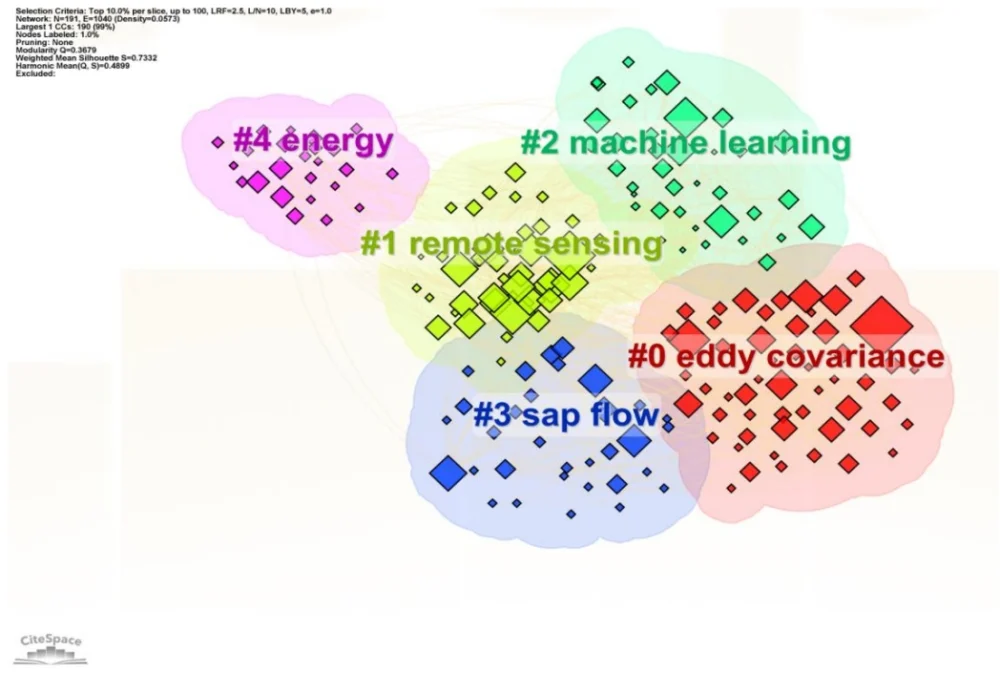
Fig. 6 Network mapping of research keywords for forest evapotranspiration estimation methods
Table 4. Keyword Clustering List
| ID | Clustername | Tagwords | Averageyearofuse |
| 0 | eddycovariance | carbondioxide,eddycovariancemeasurements,watervapor | 2005 |
| 1 | remotesensing | model,calibration,landsurfacetemperature,modis | 2017 |
| 2 | machinelearning | randomforest,performance,supportvectormachine | 2020 |
| 3 | sapflow | canopyconductance,carboncycle,gasexchange | 2008 |
| 4 | energy | heatflux,penman,vegetativechanges | 2011 |
3.2.3. Synthesis of research results
Combining the summarization of the above charts and the study of a large number of related papers, it can be seen that the research hotspots of forest ET estimation methods in the period of 2005-2025 include the research on forest ET estimation models and methods, and the key application areas of forest ET estimation.
(1)Research on forest ET estimation models and methods. The core of forest ET estimation methods lies in the integration of multidisciplinary theories and technologies, forming a methodological system based on physical mechanisms, data-driven innovation, and multi-source observation (Vinukollu et al. 2011; Xu et al. 2014; Abiodun et al. 2018). Combined with the keyword co-occurrence and clustering analysis, the research hotspots in this field can be summarized into the following three major categories:
1 Traditional modeling and improvement based on physical processes
Physical models based on energy balance and water vapor transport theories are important cornerstones of forest ET estimation, among which Eddy Covariance and Penman-Monteith models are the most representative methods.
The eddy correlation (EC) method, as the "gold standard" for direct observation of water vapor exchange between forests and the atmosphere, achieves accurate estimation of evapotranspiration through high-frequency measurements of water vapor fluxes in atmospheric turbulence, and in an earlier study, Authors Reichstein et al. (2005) separated net ecosystem through an improved algorithm exchange, which laid the foundation for the subsequent study of forest ET using eddy correlation. With the expansion of application scenarios, researchers began to pay attention to the improvement of data quality in complex environments. Göckede et al. (2008) optimized the coordinate rotation method in the processing of eddy-correlation data, and improved the accuracy of data processing to a new level. Fan et al. (2022) analyzed the daily changes of forest ET in arid areas using EC, and found that the nighttime ET accounted for 15%-20%, and correcting the traditional perception that nighttime evapotranspiration is negligible. To address the problem of missing data, Foltýnová et al. (2019) proposed a marginal distribution sampling interpolation method, which improved the data completeness to 92% and significantly reduced the estimation bias. This technique not only enhances the reliability of EC data, but is also applied in extreme environments such as humid deciduous forests in the foothills of the Indian Himalayas (Srinet et al. 2022), which reveals the differentiation of evapotranspiration driving mechanisms under different climatic conditions.
The Penman-Monteith model enables regional-scale evapotranspiration estimation by integrating meteorological data and vegetation parameters (Jiao, Xing et al. 2010). Its improved form is widely used in global forest hydrology studies. Fisher et al. (2005) found in a comparative experiment in a yellow pine forest ecosystem in Nevada, USA, that the traditional model had a significant bias in simulating the energy partitioning under complex topography, and that the introduction of a correction factor for canopy height improved the of the estimates to the measured values from 0.68 to 0.85, with an improvement of 30% in the efficiency of the calculation, by 30%. A domestic study focusing on the effects of vegetation degradation by Zhang, Xiaoyu et al. (2024), analyzed the canopy stomatal conductance of small-leaf poplar plantation forests with different degradation levels based on the model, and found that the lag of stomatal conductance response to the water vapor pressure difference in heavily degraded forest stands was prolonged by 2-3 hours, a finding that provides a key parameter for moisture management in forest restoration in arid and semi-arid zones. In addition, the canopy resistance model proposed by Baldocchi et al. (2019) provides new ideas for the improvement of the Penman-Monteith model, which further expands its application in complex forest ecosystems. These improvements not only enhance the adaptability of the model to different environments, but also improve the accuracy of the estimation of forest evapotranspiration, which provides a strong support for the in-depth understanding of forest hydrological processes and ecological environmental protection.
2 Remote sensing inversion and multi-source data fusion methods
Remote sensing technology has broken through the spatiotemporal limitations of ground-based observations, emerging as a core approach for evapotranspiration estimation at regional to global scales. This has formed a technical system rooted in energy balance models, supported by multi-source data fusion, and driven by intelligent algorithm innovation (Liou and Kar 2014; Zhang et al. 2016; Zhao, Shen and Chen, Shaohui 2017).
The energy balance model calculates evapotranspiration through surface energy allocation, and its core models, Surface Energy Balance Algorithm for Land (SEBAL) and Mapping Evapotranspiration at High Resolution with Internalized Calibration (METRIC), have been widely used in regional scale calculations. Feng and Wang (2012); Du et al. (2013); Li et al. (2023) used the SEBAL model to integrate the MODIS thermal infrared data with the ground vorticity correlation observation, and realized a refined capture of the difference in evapotranspiration under different vegetation cover, the between the estimated and measured values reaches 0.83, which is 45% higher than that of the traditional empirical model. To address the problem of radiation heterogeneity caused by mountainous terrain, WASTI et al. (2020) introduced the terrain correction module of the METRIC model in the Himalayan region of Nepal, and through the calculation of solar radiation redistribution by slope gradient and direction, the hourly scale estimation error is controlled at 0.06 mm/h, which verifies the applicability of the model in the region of height difference over 2000 meters.
The limitations of a single remote sensing data source have driven the rapid development of multi-source fusion technologies (Samadzadegan et al. 2025). Optical remote sensing such as MODIS and Sentinel-2 provide highfrequency vegetation information, and microwave remote sensing such as Sentinel-1 and AMSR-E penetrate the clouds to obtain the soil moisture, and the combination of the two has resulted in the construction of the GLEAM and FLUXCOM ET products that have performed excellently in the estimation of global forest ET (Wang et al. 2025). Feng et al. (2019) utilized the ESTARFM spatiotemporal fusion algorithm to fuse MODIS leaf area index with Sentinel-1 soil moisture to generate 30-meter-resolution daily ET data, and the data coverage was improved from 65% to 92%, which provides a key support for the moisture monitoring at the small watershed scale. In complex forest ecosystems, the accuracy of remote sensing-based ET estimation is constrained by two key factors. Spatial resolution limitations-with most satellite sensors (30m-1km) coarser than fine-scale canopy variability (e.g., gaps, mixed patches) lead to averaging effects that obscure ET differences between dense and sparse areas. Meanwhile, vegetation heterogenicity, including variations in species, canopy height, and Leaf Area Index(LAI), reduces the reliability of spectral indices (e.g., NDVI), as bulk signatures fail to distinguish distinct ET rates among vegetation types. These constraints highlight the need for advances in high-resolution sensing and heterogenicity-aware modeling to enhance estimation precision in complex forests. In addition, with the introduction of artificial intelligence algorithms such as Random Forest and Deep Learning, the model is able to automatically mine the nonlinear relationships in multi-source data, and realize high-precision evapotranspiration estimation in data-scarce regions (Feng et al. 2023). These advances not only promote the improvement of evapotranspiration remote sensing theory, but also provide powerful tools for forest hydrological process analysis, water resource management and climate change research.
Machine Learning and Data-Driven Modeling
With the development of big data technology, machine learning methods show significant advantages in dealing with complex nonlinear relationships and multi-factor coupling problems, forming a research hotspot dominated by Random Forest, Support Vector Machines, and Deep Learning models (Granata 2019; Shabani et al. 2020; Amani and Shafizadeh-Moghadam 2023).
Conventional machine learning models estimate evapotranspiration by mining statistical patterns in historical data. Gokool et al. (2024) Based on the Google Earth Engine platform, integrated Landsat remote sensing data with meteorological observations to construct a random forest hybrid model to estimate the actual evapotranspiration of commercial forests in South Africa, and the results showed that this model improved the accuracy by 28% compared with the traditional energy balance model, especially in the area of plantation forests with complex vegetation structure, and the root-mean-square error was reduced to 0.3 mm/day. To address the problem of the lack of meteorological data in arid zones, Tortajada et al. (2021) proposed a hybrid VMD-GWO-SVM model, This model first extracts the time-series characteristics of actual evapotranspiration (ETa) through variational mode decomposition (VMD) and then combines the Grey Wolf Optimizer (GWO) to optimize the parameters of the SVM, and finally achieved a high accuracy of Nash's coefficient of efficiency of 0.8754 and mean absolute percentage error of 23.22% in the validation of the Heihe River Basin, which is 15-20% higher than that of the single SVM model.
The deep learning model automatically mines the hidden features of the data through multi-layer neural networks, and shows unique advantages in the prediction of complex terrain and long time series. Qiu et al. (2022) constructed an LSTM model with an attention mechanism for the coniferous forest in Luya Mountain, Shanxi, integrating meteorological data and soil heat flux, the model automatically identifies key driving factors of evapotranspiration through a temporal attention layer and captures the spatial modulation effect of terrain on evapotranspiration through a spatial attention layer, during the validation period, the RMSE was 0.137 mm/day and the MAE was 0.073 mm/day, significantly outperforming traditional Long Short-Term Memory (LSTM) and Back Propagation (BP) neural networks. This study emphasizes the irreplaceability of the attention mechanism in complex terrains. It is noteworthy that "physical mechanism + data-driven" hybrid models are becoming a research hotspot. Giardina et al. (2023) embedded a deep learning model into a process-based global evaporation model, training a neural network with eddy covariance data to simulate transpiration stress, validation across 458 global stations showed that the Kling-Gupta Efficiency of the hybrid model improved by 0.2-0.4 on average compared to pure physical models, with an increase of 0.6 in humid forest areas of North America. This research provides a new "data-model" dual-driven framework for global forest evapotranspiration simulation. Machine Learning, Data-Driven Modeling, and hybrid physical-datadriven models show promise but face critical limitations. Scarcity of high-quality long-term in-situ data in complex/remote regions (e.g., mountains, tropics) causes overfitting and poor generalization. Technically, integrating physical mechanisms (e.g., energy balance) with AI is challenging-simplified physical assumptions conflict with AI-captured ecosystem specifics, weakening robustness. Moreover, advanced AI’s high computational demands, inaccessible to regions with limited infrastructure, further restrict adoption.
Notably, interdisciplinary integration has driven methodological breakthroughs, as exemplified by three successful cases: FLUXCOM global ET products Wang et al. (2025) integrated ecologists ’ eddy covariance data, remote sensing experts’ MODIS imagery, and climatologists’ reanalysis datasets, achieving R²=0.82 across 200+ flux towers. This collaboration overcame single-discipline limitations, enabling global-scale ET mapping. Heihe River Basin study Tortajada et al. (2021) combined hydrologists ’ SWAT model frameworks with computer scientists VMD-GWO-SVM algorithms, reducing ET estimation RMSE by 32% in data-scarce mountain forests by fusing hydrological process knowledge with machine learning’s nonlinear fitting. Amazon drought monitoring Konings et al. (2021) linked ecologists’ stomatal conductance observations, remote sensing specialists’ Landsat thermal data, and data scientists ’ LSTM models, accurately detecting a 15-20% ET decline during the 2019 drought via cross-scale process integration. These cases confirm that interdisciplinary collaboration- across ecology, remote sensing, hydrology, and computer science- effectively addresses forest ET’s complexity, enhancing accuracy and application scope.
(2) Key application areas for forest ET estimation. Applied research on forest ET estimation has developed systematic solutions in the fields of ecology, hydrology, climate and policy through the cross-fertilization of multidisciplinary approaches. In the field of ecosystem monitoring and carbon and water cycle assessment, accurate estimation of ET provides the core data support for understanding ecosystem functions (Yang et al. 2021; Zhao et al. 2024), and its spatial and temporal heterogeneity can dynamically monitor forest health and timely detect signs of water stress or degradation of vegetation (Zan et al. 2024). In the field of water resource management and basin hydrological control, the results of forest evapotranspiration estimation have been deeply integrated into the practices of regional water resource allocation (Wang et al. 2014), irrigation scheme optimization (Lu, Shihui et al. 2021), and flood prediction (Xing, Zhenxiang et al. 2020), etc. Embedded in distributed hydrological models, the accuracy of runoff simulation can be significantly improved, which can provide scientific basis for the water resource allocation of the basin (Li et al. 2018), and at the same time, the relevant results of the research have also provided a key parameter support (Fu et al. 2022; Xu, Yiyuan et al. 2023) for optimizing the forest water-saving technology. In the face of the demand for climate change response and early warning of extreme events, it is of great scientific significance to explore the interaction mechanism between forest evapotranspiration and climate factors (Ruiz-Aĺvarez et al. 2021). Global-scale model simulation reveals the response pattern of forest evapotranspiration to climate change in temperate zones (Ai et al. 2017), and the effect of stress factors such as acidification of precipitation on the evapotranspiration process of forests is studied (Unsworth 1984; Shu, Jianmin and Cao, Hongfa 1992). The study of the effects of precipitation acidification and other stressors on forest evapotranspiration processes has further deepened the knowledge of ecosystem vulnerability. In addition, through the construction of the evapotranspiration anomaly detection model, the water stress of drought, high temperature and other extreme climates on forests can be identified in real time (Konings et al. 2021; Chen et al. 2023), which can provide technical support for the early warning of disasters.
3.3. Analysis of research frontiers
Keyword mutation analysis can identify keywords with significantly higher frequency change rate in a certain time period, thus revealing the emerging trends and dynamic evolution characteristics in the research field (Wang, liya 2013). The keywords in the research field of forest evapotranspiration estimation methods were subjected to mutation detection by Citespace software, and the keywords were selected as node types, with a time slice of 1 year, and a mutation intensity threshold of , combined with the software's mutation detection algorithm, to obtain the mutation table (TOP20) as shown in Figure 7. In accordance with the time order of the beginning of the keyword mutation, the evolutionary process of the hotspot of the research can be roughly divided into three stages. In the first stage (2005–2010), traditional observation methods dominated forest evapotranspiration (ET) research. Keywords such as “eddy covariance measurements,” “surface conductance,” and “seasonal conductance” were most prominent, alongside the emphasis on “seasonal variation.” This indicates that research at this stage primarily relied on observation techniques, particularly eddy covariance, and focused on fundamental parameters such as surface conductance to investigate ET processes at the ecosystem scale.
The second stage (2010-2016) marked a shift toward in-depth exploration of process mechanisms and the integration of multiple parameters. Keywords including “water vapor exchange” and “CO₂ exchange” began to emerge, reflecting increased attention to specific ecosystem processes and structures, such as carbon exchange and plant or leaf characteristics. During this period, studies deepened the understanding of core processes like water vapor exchange and gradually refined ET estimation methods based on traditional observations and parameterization.
The third stage (2017-present) is characterized by the introduction of new technologies and model optimization. Keywords such as “machine learning” and “random forest” highlight the adoption of advanced computational approaches with strong data processing and modeling capabilities. These techniques overcome many limitations of traditional methods, enabling forest ET estimation to advance toward greater accuracy and intelligence.
From Fig. 7’s 2023-2025 bursts, new keywords like "vapor pressure deficit" (VPD, strength=14.29), "terrestrial evapotranspiration" (strength=12.69), and "regression" (strength=8.71) emerge. "VPD" (2023-2025) focuses on physiological precision by linking atmospheric demand to transpiration, a focus absent in pre-2017 research centered on "eddy covariance" (2006-2010) which emphasized broad flux observations. "Terrestrial evapotranspiration" scales up from "forest-specific" research (e.g., studies on "ecosystem" from 2006-2010) to landscape and global integration, filling the need for large-scale modeling identified in the manuscript. "Regression" has been revived as part of hybrid frameworks combining regression with machine learning, differing from its pre-2020 use in purely empirical contexts and now helping to address errors in data-sparse regions. These post-2023 terms represent an evolution beyond older "black-box flux" studies (e.g., research on "water vapor exchange" from 2005-2016), validating the manuscript’s focus on physiological and scale-driven precision as outlined in its introduction.
These emerging frontiers directly address the core challenges outlined in the introduction. As shown in Figure 7, "machine learning" surged post-2017 precisely because it excels at resolving "multi-factor coupling"; a key hurdle where traditional linear models fail to capture interactions between diverse drivers (e.g., radiation, soil moisture, canopy conductance, and phenology). For example, random forest algorithms (Table 4) automatically weight the non-linear contributions of each factor, enabling robust ET estimation even when drivers interact synergistically or antagonistically. Similarly, "hybrid models" (integrating physical mechanisms with data-driven insights) tackle "non-linear dynamics" by anchoring machine learning outputs to ecological processes (e.g., energy balance constraints). This fusion mitigates overfitting to local conditions, a critical issue in complex forests where microclimate gradients and canopy stratification create highly non-linear relationships between inputs and ET fluxes. In essence, these technologies evolved to specifically overcome the limitations of traditional methods in handling forest complexity.
From the emergence of keywords from 2005 to 2025, research started from basic ecosystem processes, gradually refined to ecosystem functions such as carbon cycle, and in recent years, with the help of new technologies such as machine learning, it has expanded to watershed scale, specific regions and more complex ecohydrological processes, reflecting the trend of continuous deepening and expanding of the research, as well as the trend of integrating with new technologies.
| Keywords | Year | Strength | Begin | End | 2005 - 2025 |
| soil water | 2006 | 12.19 | 2006 | 2010 | |
| surface conductance | 2005 | 11.52 | 2005 | 2010 | |
| ecosystem | 2006 | 11.25 | 2006 | 2010 | |
| deciduous forest | 2006 | 9.84 | 2006 | 2016 | |
| heat | 2005 | 9.54 | 2005 | 2016 | |
| carbon balance | 2006 | 9.37 | 2006 | 2010 | |
| ecosystem respiration | 2006 | 9.37 | 2006 | 2010 | |
| water vapor exchange | 2005 | 9.33 | 2005 | 2016 | |
| eddy covariance measurements | 2006 | 9.1 | 2006 | 2010 | |
| seasonal variation | 2005 | 8.48 | 2005 | 2010 | |
| co2 exchange | 2012 | 9.77 | 2012 | 2016 | |
| leaf area | 2012 | 9.22 | 2012 | 2016 | |
| machine learning | 2017 | 17.91 | 2017 | 2025 | |
| random forest | 2017 | 9.68 | 2017 | 2025 | |
| river basin | 2018 | 7.83 | 2018 | 2022 | |
| vapor pressure deficit | 2023 | 14.29 | 2023 | 2025 | |
| china | 2023 | 13.49 | 2023 | 2025 | |
| terrestrial evapotranspiration | 2023 | 12.69 | 2023 | 2025 | |
| regression | 2023 | 8.71 | 2023 | 2025 | |
| loess plateau | 2023 | 8.56 | 2023 | 2025 |
Fig. 7 Information on research emergence terms for forest evapotranspiration estimation methods (TOP20)
4. Limitations
Despite the comprehensive analysis of forest evapotranspiration estimation methods using bibliometrics, this study has several limitations that should be acknowledged:
The literature data used in this study are solely derived from the Web of Science (WoS) database. Although WoS is a widely used academic database with high credibility, relying only on this datahub may lead to the omission of relevant studies from other important databases such as Scopus and PubMed, especially those focusing on specific sub-fields of forest evapotranspiration research, which may affect the comprehensiveness of the analysis results. For future research, it is advisable to integrate data from multiple databases to expand the coverage of literature and reduce the impact of database bias.
Keyword selection in this study relied on high-frequency terms and clustering algorithms, which, despite following standardized protocols, involve inherent subjectivity. This subjectivity might affect the accuracy of research theme identification, potentially omitting or misclassifying emerging keywords. Future work could mitigate this by incorporating expert review to validate keyword clusters, enhancing the objectivity of theme extraction.
This bibliometric method is unable to fully assess the qualitative impact of individual studies. This method mainly focuses on quantitative indicators such as the number of citations, the distribution of journals, and the co-occurrence of keywords, but it is difficult to effectively reflect the qualitative contributions of individual studies, such as theoretical innovations, methodological breakthroughs, or practical application value that have an important impact on the development of the field. Future research can combine bibliometric analysis with qualitative research methods, such as in-depth analysis of representative studies, to more comprehensively and accurately present the development context and academic influence of the field.
5. Conclusion
(1) The field of forest evapotranspiration estimation methodology has soared during the period of 2005-2025, with the number of publications rising from an average of less than 50 per year at the beginning to more than 100 per year in recent years, and reaching a peak in the period of 2017-2022. the Chinese Academy of Sciences, University of Chinese Academy of Science, and United States Department of Agriculture (USDA) are the core research institutions, among which Chinese Academy of Sciences not only leads in the number of publications, but also builds up an extensive international cooperation network. The 279 core authors identified according to Price's law contributed 83% of the results, forming a close cooperation network. Agricultural and Forest Meteorology ranked first with 212 articles and 10,438 citations, with an average of 49.24 citations per article, which is in the core position, indicating that the research in this field focuses on the meteorological process of forests and agriculture as well as the energy exchange.
(2) Through keyword co-occurrence analysis, the research hotspots in forest evapotranspiration estimation methods exhibit multi-dimensional characteristics. In terms of core methods, "eddy covariance" emerges as the field's core with the highest frequency and centrality, covering the entire process from data collection to restoration. In terms of technology integration, "remote sensing" integrates multi-source data through energy balance models to break through spatiotemporal limitations. "Machine learning" processes nonlinear relationships with algorithms such as random forests, and hybrid modeling patterns have become the frontier. In terms of application and mechanism, keywords such as "climate change" and "carbon dioxide" highlight the focus on ecological hydrological processes and responses to extreme climates, while "canopy conductance" and "energy balance" focus on the analysis of driving mechanisms. Overall, research hotspots form a three-dimensional pattern of "optimization of traditional methods - integration of new technologies - expansion of application scenarios", demonstrating a deep extension from method innovation to ecological function exploration.
(3) Through keyword mutation analysis, the frontier of forest evapotranspiration estimation methods shows a feature of technological iteration, roughly presenting three stages. The first stage mainly focused on traditional physical observation, emphasizing basic data collection. The second stage shifted to the optimization of multi-parameter coupled physical models. In the third stage, "machine learning" and other artificial intelligence technologies have become the core driving force, with the frontier concentrating on the development of hybrid models, multi-source data fusion, and intelligent algorithm innovation. Future methods will focus on the integration of "physical constraints and intelligent learning", promoting the leap from single-point observation to basin or global-scale simulation, and enhancing prediction accuracy.
Author Contribution
All authors were involved in the intellectual elements of this paper. Conceptualization, Y.WL, S.R, J.ZJ; methodology, J.PH, Z.PW, Y.WL, P.WT; writing-original draft preparation, Y.WL; writing-review and editing, Y.HX, J.PH; visualization, Y.WL; supervision, Y.ZZ, J.PH; All authors have read and agreed to the published version of the manuscript.
Acknowledgements
This study received funding from the National Natural Science Foundation of China (No.32360249, No.12361058), Inner Mongolia Autonomous Region Natural Science Fund Project(2022MS01006), Key research and development and results transformation plan (2022YFDZ0030-01, 2023YFDZ0017), Inner Mongolia Agricultural University young teachers research ability promotion project (BR230161), Inner Mongolia Academy of Science and Technology introduced talents to start the scientific research project(2024RCYJ05003).
Conflict of Interests
The authors declare no conflicts of interest.
Data Availability
The data supporting the findings of this study are available upon request from the corresponding author.
References
Abiodun, O.O., Guan, H., Post, V.E.A., and Batelaan, O. 2018. Comparison of MODIS and SWAT evapotranspiration over a complex terrain at different spatial scales. Hydrology and Earth System Sciences 22(5): 2775–2794. https://doi.org/10.5194/hess-22-2775-2018. Back to citation
Ai, Z., Wang, Q., Yang, Y., Manevski, K., Zhao, X., and Eer, D. 2017. Estimation of land-surface evaporation at four forest sites across Japan with the new nonlinear complementary method. Sci Rep 7(1): 17793. https://doi.org/10.1038/s41598-017-17473-0. Back to citation
Amani, S., and Shafizadeh-Moghadam, H. 2023. A review of machine learning models and influential factors for estimating evapotranspiration using remote sensing and ground-based data. Agricultural Water Management 284: 108324.https://doi.org/10.1016/j.agwat.2023.108324 1 2 3
Baldocchi, D., Dralle, D., Jiang, C., and Ryu, Y. 2019. How Much Water is Evaporated Across California?: A Multi-Year Assessment Using a Biophysical Model Forced with Satellite Remote Sensing Data. Water Resources Research 55(4): 2722–2741. https://doi.org/10.1029/2018WR023884.
Brümmer, C., Black, T.A., Jassal, R.S., Grant, N.J., Spittlehouse, D.L., Chen, B., Nesic, Z., Amiro, B.D., Arain, M.A., Barr, A.G., Bourque, C.P.-A., Coursolle, C., Dunn, A.L., Flanagan, L.B., Humphreys, E.R., Lafleur, P.M., Margolis, H.A., McCaughey, J.H., and Wofsy, S.C. 2012. How climate and vegetation type influence evapotranspiration and water use efficiency in Canadian forest, peatland and grassland ecosystems. Agricultural and Forest Meteorology 153: 14–30. https://doi.org/10.1016/j.agrformet.2011.04.008 Back to citation
Chen, C. 2004. Searching for intellectual turning points: progressive knowledge domain visualization. Proceedings of the National Academy of Sciences of the United States of America 101(suppl_1): 5303–5310. https://doi.org/10.1073/pnas.0307513100 1 2
Chen, C., and Song, M. 2019. Visualizing a field of research: A methodology of systematic scientometric reviews. PLOS ONE 14(10): e0223994.https://doi.org/10.1371/journal.pone.0223994. Back to citation
Chen, Weijun. 2001. A comparative study of bibliometrics and content analysis. Intelligence Science (8): 884–886. Back to citation
Chen, X., Yu, S., Zhang, H., Li, F., Liang, C., and Wang, Z. 2023. Estimating the Actual Evapotranspiration Using Remote Sensing and SEBAL Model in an Arid Environment of Northwest China. Water 15(8): 1555. https://doi.org/10.3390/w15081555. Back to citation
Chen, Yue, Chen, Chaomei, Liu, Zeyuan, Hu, Zhigang, and Wang, Xianwen. 2015. Methodological functions of CiteSpace knowledge graph. Research in Science 33(2): 242–253. https://doi.org/10.16192/j.cnki.1003-2053.2015.02.009. Back to citation
Chen, Z., Wang, W., Cescatti, A., and Forzieri, G. 2022. Climate-driven vegetation greening further reduces water availability in drylands. Global Change Biology 29(6): 1628–1647. https://doi.org/10.1111/gcb.16561. Back to citation
Cheng, P., Tang, H., Dong, Y., Liu, K., Jiang, P., and Liu, Y. 2021. Knowledge Mapping of Research on Land Use Change and Food Security: A Visual Analysis Using CiteSpace and VOSviewer. International Journal of Environmental Research and Public Health 18(24): 13065. https://doi.org/10.3390/ijerph182413065. Back to citation
Chia, M.Y., Huang, Y.F., Koo, C.H., and Fung, K.F. 2020. Recent Advances in Evapotranspiration Estimation Using Artificial Intelligence Approaches with a Focus on Hybridization Techniques—A Review. Agronomy 10(1): 101. https://doi.org/10.3390/agronomy10010101. 1 2
Dolman, A.J., Moors, E.J., Grunwald, T., Berbigier, P., and Bernhofer, C. 2003. Factors Controlling Forest Atmosphere Exchange of Water, Energy, and Carbon. In Fluxes of Carbon, Water and Energy of European Forests. Edited by R. Valentini. Springer, Berlin, Heidelberg. pp. 207–223. https://doi.org/10.1007/978-3-662-05171-9_10. Back to citation
Du, Jiaqiang, Xiong, Shanshan, Liu, Chengcheng, Guo, Yang, Shu, Jianmin, and Zhang, Linbo. 2013. Comparison of the applicability of several reference crop evapotranspiration calculation methods in the upper Yellow River. Arid Zone Geography 36(5): 831–840. https://doi.org/10.13826/j.cnki.cn65-1103/x.2013.05.018.
Fan, R., Sun, M., Zhu, X., and Wang, Q. 2022. Eddy covariance measurement-based differences in annual evapotranspiration between forests and grasslands in China. Frontiers in Plant Science 13. doi:10.3389/fpls.2022.1030929.
Feng, Jingze and Wang, Zhongjing. 2012. Review of the progress of remote sensing evapotranspiration modeling. Journal of Water Resources 43(8): 914–925. https://doi.org/10.13243/j.cnki.slxb.2012.08.001.
Feng, Kepeng, Tian, Juncang, and Hong, Yang. 2019. Self-searching optimal nearest neighbor algorithm for estimating potential evapotranspiration in limited meteorological data area. Journal of Agricultural Engineering 35(20): 76–83.
Feng, Q., Shen, J., Yang, F., Liang, S., Liu, J., Kuang, X., Wang, D., and Zeng, Z. 2023. Long-term gridded land evapotranspiration reconstruction using Deep Forest with high generalizability. Scientific Data 10(1). https://doi.org/10.1038/s41597-023-02822-8. Back to citation
Fisher, J.B., DeBiase, T.A., Qi, Y., Xu, M., and Goldstein, A.H. 2005. Evapotranspiration models compared on a Sierra Nevada forest ecosystem. Environmental Modelling & Software 20(6): 783–796. https://doi.org/10.1016/j.envsoft.2004.04.009.
Foltýnová, L., Fischer, M., and McGloin, R.P. 2019. Recommendations for gap-filling eddy covariance latent heat flux measurements using marginal distribution sampling. Theoretical and Applied Climatology 139(1–2): 677–688.https://doi.org/10.1007/s00704-019-02975-w.
Fu, J., Wang, W., Shao, Q., Xing, W., Cao, M., Wei, J., Chen, Z., and Nie, W. 2022. Improved global evapotranspiration estimates using proportionality hypothesis-based water balance constraints. Remote Sensing of Environment 279: 113140. https://doi.org/10.1016/j.rse.2022.113140. Back to citation
Gaumont-Guay, D., Black, T.A., Griffis, T.J., Barr, A.G., Jassal, R.S., and Nesic, Z. 2006. Interpreting the dependence of soil respiration on soil temperature and water content in a boreal aspen stand. Agricultural and Forest Meteorology 140(1–4): 220–235. https://doi.org/10.1016/j.agrformet.2006.08.003. Back to citation
Ge, Peng, Zhou, Mei, Bao, Hu, and Zhao, Pengwu. 2017. Progress of research on methods for determining evapotranspiration water consumption of forest vegetation. Inner Mongolia Forestry Survey and Design 40(3): 101–104. https://doi.org/10.13387/j.cnki.nmld.2017.03.076. Back to citation
Giardina, F., Gentine, P., Konings, A.G., Seneviratne, S.I., and Stocker, B.D. 2023. Diagnosing evapotranspiration responses to water deficit across biomes using deep learning. New Phytologist 240(3): 968–983. https://doi.org/10.1111/nph.19197.
Göckede, M., Foken, T., Aubinet, M., Aurela, M., Banza, J., Bernhofer, C., Bonnefond, J.M., Brunet, Y., Carrara, A., Clement, R., Dellwik, E., Elbers, J., Eugster, W., Fuhrer, J., Granier, A., Grünwald, T., Heinesch, B., Janssens, I.A., Knohl, A., Koeble, R., Laurila, T., Longdoz, B., Manca, G., Marek, M., Markkanen, T., Mateus, J., Matteucci, G., Mauder, M., Migliavacca, M., Minerbi, S., Moncrieff, J., Montagnani, L., Moors, E., Ourcival, J.-M., Papale, D., Pereira, J., Pilegaard, K., Pita, G., Rambal, S., Rebmann, C., Rodrigues, A., Rotenberg, E., Sanz, M.J., Sedlak, P., Seufert, G., Siebicke, L., Soussana, J.F., Valentini, R., Vesala, T., Verbeeck, H., and Yakir, D. 2008. Quality control of CarboEurope flux data – Part 1: Coupling footprint analyses with flux data quality assessment to evaluate sites in forest ecosystems. Biogeosciences 5(2): 433–450. https://doi.org/10.5194/bg-5-433-2008.
Gokool, S., Kunz, R., Clulow, A., and Toucher, M. 2024. Leveraging Google Earth Engine and Machine Learning to Estimate Evapotranspiration in a Commercial Forest Plantation. Remote Sensing 16(15): 2726. https://doi.org/10.3390/rs16152726.
Goulden, M., and Fellows, A. 2011. Does Thinning Improve the Soil Water Balance and Vegetation Health of Southern Californian Forest. Available from https://www.semanticscholar.org/paper/Does-Thinning-Improve-the-Soil-Water-Balance-and-of-Goulden-Fellows/c9b1526f4c58969b941fee285cd8c5bf39134cba [accessed 22 May 2025]. Back to citation
Granata, F. 2019. Evapotranspiration evaluation models based on machine learning algorithms—A comparative study. Agricultural Water Management 217: 303–315. https://doi.org/10.1016/j.agwat.2019.03.015. Back to citation
Hadiwijaya, B., Isabelle, P.-E., Nadeau, D.F., and Pepin, S. 2021. Can a physically-based land surface model accurately represent evapotranspiration partitioning? A case study in a humid boreal forest. Agricultural and Forest Meteorology 304–305: 108410. https://doi.org/10.1016/j.agrformet.2021.108410. Back to citation
Heiss, J.W., Michael, H.A., and Puleo, J. 2020. Groundwater–surface water exchange in the intertidal zone detected by hydrologic and coastal oceanographic measurements. Hydrological Processes 34(17): 3718–3721. https://doi.org/10.1002/hyp.13825. Back to citation
Hicks, D., and Melkers, J. 2013. Chapter 11: Bibliometrics as a tool for research evaluation. In Handbook on the Theory and Practice of Program Evaluation, Cheltenham, UK: Edward Elgar Publishing. available from: < https://doi.org/10.4337/9780857932402.00019> [Accessed 17 August 2025]
Hiller, R., Zeeman, M.J., and Eugster, W. 2008. Eddy-Covariance Flux Measurements in the Complex Terrain of an Alpine Valley in Switzerland. Boundary-Layer Meteorol 127(3): 449–467. https://doi.org/10.1007/s10546-008-9267-0. Back to citation
Hu, Zewen, Sun, Jianjun, and Wu, Yishan. 2013. A review of domestic knowledge graph application research. Library and Intelligence Work 57(3): 131–137, 84. Back to citation
JASSAL, R.S., BLACK, T.A., NOVAK, M.D., GAUMONT-GUAY, D., and NESIC, Z. 2008. Effect of soil water stress on soil respiration and its temperature sensitivity in an 18-year-old temperate Douglas-fir stand. Global Change Biology 14(6): 1305–1318. https://doi.org/10.1111/j.1365-2486.2008.01573.x. Back to citation
Jassal, R.S., Black, T.A., Spittlehouse, D.L., Brümmer, C., and Nesic, Z. 2009. Evapotranspiration and water use efficiency in different-aged Pacific Northwest Douglas-fir stands. Agricultural and Forest Meteorology 149(6–7): 1168–1178. https://doi.org/10.1016/j.agrformet.2009.02.004. Back to citation
Jiao, Xing, Liu, Guangquan, Kuang, Shangfu, and Tu, Xiaoning. 2010. Application of Penman-Monteith model in the study of evapotranspiration of forest vegetation. Journal of Water Resources 41(2): 245–252. https://doi.org/10.13243/j.cnki.slxb.2010.02.016. Back to citation
Konings, A.G., Saatchi, S.S., Frankenberg, C., Keller, M., Leshyk, V., Anderegg, W.R.L., Humphrey, V., Matheny, A.M., Trugman, A., Sack, L., Agee, E., Barnes, M.L., Binks, O., Cawse-Nicholson, K., Christoffersen, B.O., Entekhabi, D., Gentine, P., Holtzman, N.M., Katul, G.G., Liu, Y., Longo, M., Martinez-Vilalta, J., McDowell, N., Meir, P., Mencuccini, M., Mrad, A., Novick, K.A., Oliveira, R.S., Siqueira, P., Steele-Dunne, S.C., Thompson, D.R., Wang, Y., Wehr, R., Wood, J.D., Xu, X., and Zuidema, P.A. 2021. Detecting forest response to droughts with global observations of vegetation water content. Global Change Biology 27(23): 6005–6024. https://doi.org/10.1111/gcb.15872. Back to citation
Li, X., Black, T.A., Zha, T., Jassal, R.S., Nesic, Z., Lee, S., Bourque, C.P. ‐A., Hao, S., Jin, C., Liu, P., Jia, X., and Tian, Y. 2024. Long‐term trend and interannual variation in evapotranspiration of a young temperate Douglas‐fir stand over 2002–2022 reveals the impacts of climate change. Plant Cell & Environment 47(10): 3966–3978. https://doi.org/10.1111/pce.15000. Back to citation
Li, Z., Ma, T., Cai, Y., Fei, T., Zhai, C., Qi, W., Dong, S., Gao, J., Wang, X., and Wang, S. 2023. Stable or unstable? Landscape diversity and ecosystem stability across scales in the forest–grassland ecotone in northern China. Landscape Ecology 38(12): 3889–3902. https://doi.org/10.1007/s10980-023-01654-6.
Li, Z., Yang, Y., Kan, G., and Hong, Y. 2018. Study on the Applicability of the Hargreaves Potential Evapotranspiration Estimation Method in CREST Distributed Hydrological Model (Version 3.0) Applications. Water 10(12): 1882. https://doi.org/10.3390/w10121882. Back to citation
Liou, Y.-A., and Kar, S. 2014. Evapotranspiration Estimation with Remote Sensing and Various Surface Energy Balance Algorithms—A Review. Energies 7(5): 2821–2849. https://doi.org/10.3390/en7052821. Back to citation
Liu, Y., Zhou, X., Wang, F., Liu, C., Xie, J., Guan, L., and Xie, Y. 2022. Bibliometric analysis of publications on necroptosis from 2001 to 2021. Frontiers in Cell and Developmental Biology 10. https://doi.org/10.3389/fcell.2022.946363. Back to citation
Liu, Z., Jiang, F., Zhu, Y., Li, F., and Jin, G. 2018. Spatial heterogeneity of leaf area index in a temperate old-growth forest: Spatial autocorrelation dominates over biotic and abiotic factors. Science of the Total Environment 634: 287–295. https://doi.org/10.1016/j.scitotenv.2018.03.333. Back to citation
Lu, M., Beerten, K., Gedeon, M., and Huysmans, M. 2020. Detecting groundwater discharge to a small river channel using ground‐based thermal infrared imagery and radon‐222. Hydrological Processes 34(18): 3842–3844. https://doi.org/10.1002/hyp.13839. Back to citation
Lu, N., Chen, S., Wilske, B., Sun, G., and Chen, J. 2011. Evapotranspiration and soil water relationships in a range of disturbed and undisturbed ecosystems in the semi-arid Inner Mongolia, China. Journal of Plant Ecology 4(1–2): 49–60. https://doi.org/10.1093/jpe/rtq035. Back to citation
Lu, Shihui, Zhao, Hongli, Jiang, Yunzhong, Hao, Zhen, Zhang, xiangming, and Chen, genfa. 2021. Irrigation water use analysis based on multi-source remote sensing data and water balance principle. Journal of Water Resources 52(9): 1126–1135. https://doi.org/10.13243/j.cnki.slxb.20210275. Back to citation
Ma, X., Feng, Q., Su, Y., Yu, T., and Jin, H. 2017. Forest Evapotranspiration and Energy Flux Partitioning Based on Eddy Covariance Methods in an Arid Desert Region of Northwest China. Advances in Meteorology 2017: 1–10. doi:10.1155/2017/1619047. Back to citation
Meng, Fanrong, Zheng, Ye, and Yang, Rouyu. 2016. Influence factors of citation frequency of core journal papers on science and technology management - An empirical study based on five highly cited domestic journals. Publishing Science 24(2): 57–63. https://doi.org/10.13363/j.publishingjournal.2016.02.015. Back to citation
Moustafa, T., and Chahine. 1992. The hydrological cycle and its influence on climate. Nature 359(6394): 373–380. https://doi.org/10.1038/359373a0. Back to citation
Nouri, M., Ebrahimipak, N.A., and Hosseini, S.N. 2022. Estimating reference evapotranspiration for water-limited windy areas under data scarcity. Theoretical and Applied Climatology 150(1–2): 593–611. https://doi.org/10.1007/s00704-022-04182-6. 1 2
Pareeth, S., and Karimi, P. 2023. Evapotranspiration estimation using Surface Energy Balance Model and medium resolution satellite data: An operational approach for continuous monitoring. Scientific Reports 13(1). https://doi.org/10.1038/s41598-023-38563-2. 1 2
Paul-Limoges, E., Wolf, S., Schneider, F.D., Longo, M., Moorcroft, P., Gharun, M., and Damm, A. 2020. Partitioning evapotranspiration with concurrent eddy covariance measurements in a mixed forest. Agricultural and Forest Meteorology 280: 107786. https://doi.org/10.1016/j.agrformet.2019.107786. Back to citation
Price, D.J.D.S. 1963. Little science, big science. Columbia university press. Back to citation
Qiu, T., Huang, W., Wright, J.S., Yang, Z., and Wang, B. 2022. Impacts of Western Disturbances on Wintertime Precipitation Over the Southeastern Tibetan Plateau. Journal of Geophysical Research: Atmospheres 127(7). https://doi.org/10.1029/2021jd035789.
Reichstein, M., Ciais, P., Papale, D., Valentini, R., RUNNING, S., Viovy, N., ... & Zhao, M. 2007. Reduction of ecosystem productivity and respiration during the European summer 2003 climate anomaly: a joint flux tower, remote sensing and modelling analysis. Global Change Biology, 13(3), 634-651.https://doi.org/10.1111/j.1365-2486.2006.01224.x. Back to citation
Reichstein, M., Falge, E., Baldocchi, D., Papale, D., Aubinet, M., Berbigier, P., Bernhofer, C., Buchmann, N., Gilmanov, T., Granier, A., Grunwald, T., Havrankova, K., Ilvesniemi, H., Janous, D., Knohl, A., Laurila, T., Lohila, A., Loustau, D., Matteucci, G., Meyers, T., Miglietta, F., Ourcival, J.-M., Pumpanen, J., Rambal, S., Rotenberg, E., Sanz, M., Tenhunen, J., Seufert, G., Vaccari, F., Vesala, T., Yakir, D., and Valentini, R. 2005. On the separation of net ecosystem exchange into assimilation and ecosystem respiration: review and improved algorithm. Global Change Biology 11(9): 1424–1439. https://doi.org/10.1111/j.1365-2486.2005.001002.x. Back to citation
Richardson, A.D., Keenan, T.F., Migliavacca, M., Ryu, Y., Sonnentag, O., and Toomey, M. 2013. Climate change, phenology, and phenological control of vegetation feedbacks to the climate system. Agricultural and Forest Meteorology 169: 156–173. https://doi.org/10.1016/j.agrformet.2012.09.012. Back to citation
Roche, J.W., Goulden, M.L., and Bales, R.C. 2018. Estimating evapotranspiration change due to forest treatment and fire at the basin scale in the Sierra Nevada, California. Ecohydrology 11(7): e1978. https://doi.org/10.1002/eco.1978. Back to citation
Ruiz-Aĺvarez, M., Gomariz-Castillo, F., and Alonso-Sarría, F. 2021. Evapotranspiration Response to Climate Change in Semi-Arid Areas: Using Random Forest as Multi-Model Ensemble Method. Water 13(2): 222. Multidisciplinary Digital Publishing Institute. https://doi.org/10.3390/w13020222. Back to citation
Samadzadegan, F., Toosi, A., and Javan, F.D. 2025. A critical review on multi-sensor and multi-platform remote sensing data fusion approaches: current status and prospects. INT J REMOTE SENS 46(3): 1327–1402. Taylor & Francis. https://doi.org/10.1080/01431161.2024.2429784. Back to citation
Scholz, K., Ejarque, E., Hammerle, A., Kainz, M., Schelker, J., and Wohlfahrt, G. 2021. Atmospheric CO2 Exchange of a Small Mountain Lake: Limitations of Eddy Covariance and Boundary Layer Modeling Methods in Complex Terrain. Journal of Geophysical Research: Biogeosciences 126(7). doi:10.1029/2021jg006286. 1 2
Shabani, S., Samadianfard, S., Sattari, M.T., Mosavi, A., Shamshirband, S., Kmet, T., and Várkonyi-Kóczy, A.R. 2020. Modeling Pan Evaporation Using Gaussian Process Regression K-Nearest Neighbors Random Forest and Support Vector Machines; Comparative Analysis. Atmosphere 11(1): 66. https://doi.org/10.3390/atmos11010066. Back to citation
Shao, X., Zhang, Y., Liu, C., Chiew, F.H.S., Tian, J., Ma, N., and Zhang, X. 2022. Can Indirect Evaluation Methods and Their Fusion Products Reduce Uncertainty in Actual Evapotranspiration Estimates? Water Resources Research 58(6). doi:10.1029/2021wr031069. Back to citation
Sharafi, S., and Ghaleni, M.M. 2024. Revealing accuracy in climate dynamics: enhancing evapotranspiration estimation using advanced quantile regression and machine learning models. Applied Water Science 14(7). https://doi.org/10.1007/s13201-024-02211-5. Back to citation
Shu, Jianmin and Cao, Hongfa. 1992. Effects of acidic precipitation on forests in China. Environmental Science Research (5): 42–45. https://doi.org/10.13198/j.res.1992.05.44.shujm.008. Back to citation
Soós, S., and Kiss, A. 2020. Informetrics and the study of science–society communications: a bibliometric scoping review. Scientometrics 124(2): 825–842. https://doi.org/10.1007/s11192-020-03444-2. Back to citation
Srinet, R., Nandy, S., Watham, T., Padalia, H., Patel, N.R., and Chauhan, P. 2022. Measuring evapotranspiration by eddy covariance method and understanding its biophysical controls in moist deciduous forest of northwest Himalayan foothills of India. Tropical Ecology 63(3): 387–397. https://doi.org/10.1007/s42965-021-00216-8. 1 2
Sun, S., Gu, H., and Wang, X. 2025. The balance and potometric sap flow calibration approaches that rely on transpirational pull yield inconsistent estimates of transpiration. Trees, Forests and People 20: 100820. https://doi.org/10.1016/j.tfp.2025.100820. Back to citation
Tang, R., Li, Z.-L., Jia, Y., Li, C., Chen, K.-S., Sun, X., and Lou, J. 2012. Evaluating one- and two-source energy balance models in estimating surface evapotranspiration from Landsat-derived surface temperature and field measurements. International Journal of Remote Sensing 34(9–10): 3299–3313. https://doi.org/10.1080/01431161.2012.716529. Back to citation
Tortajada, C., Koh, R., Bindal, I., and Lim, W.-K. 2021. Compounding focusing events as windows of opportunity for flood management policy transitions in Singapore. Journal of Hydrology 599: 126345. https://doi.org/10.1016/j.jhydrol.2021.126345.
Unsworth, M.H. 1984. Evaporation from forests in cloud enhances the effects of acid deposition. Nature 312(5991): 262–264. https://doi.org/10.1038/312262a0. Back to citation
Vinukollu, R.K., Wood, E.F., Ferguson, C.R., and Fisher, J.B. 2011. Global estimates of evapotranspiration for climate studies using multi-sensor remote sensing data: Evaluation of three process-based approaches. Remote Sensing of Environment 115(3): 801–823. https://doi.org/10.1016/j.rse.2010.11.006. Back to citation
Wang, H., Zhou, Y., and Li, X. 2025. GDCM: Generalized data completion model for satellite observations. Remote Sensing of Environment 324: 114760. https://doi.org/10.1016/j.rse.2025.114760. Back to citation
Wang, J., Sang, X., Zhai, Z., Liu, Y., and Zhou, Z. 2014. An Integrated Model for Simulating Regional Water Resources Based on Total Evapotranspiration Control Approach. Advances in Meteorology 2014: 1–10. https://doi.org/10.1155/2014/345671. Back to citation
Wang, liya. 2013. Research on topic mutation based on keyword mutation. Intelligence Theory and Practice 36(11): 45–48. https://doi.org/10.16353/j.cnki.1000-7490.2013.11.021. Back to citation
Wang, Z., and Wang, C. 2023. Interactive effects of elevated temperature and drought on plant carbon metabolism: A metaanalysis. Global Change Biology 29(10): 2824–2835. https://doi.org/10.1111/gcb.16639. Back to citation
WASTI, S., MA, W., and MA, Y. 2020. Estimation of land surface evapotranspiration using the METRIC model in Nepal. Atmospheric and Oceanic Science Letters 13(6): 509–517. https://doi.org/10.1080/16742834.2020.1824984. Back to citation
Xing, Zhenxiang, Fu, Shuang, Sun, Mingxin, Ji, Yi, Fu, Qiang, and Li, Heng. 2020. Application of remotely sensed evapotranspiration in flood simulation in areas without station data. Journal of Northeast Agricultural University 51(2): 78–85. https://doi.org/10.19720/j.cnki.issn.1005-9369.2020.02.0010. Back to citation
Xu, T., Guo, Z., Xia, Y., Ferreira, V.G., Liu, S., Wang, K., Yao, Y., Zhang, X., and Zhao, C. 2019. Evaluation of Twelve Evapotranspiration Products from Machine Learning, Remote Sensing and Land Surface Models over Conterminous United States. Journal of Hydrology 578: 124105. v10.1016/j.jhydrol.2019.124105. Back to citation
Xu, X., Li, J., and Tolson, B.A. 2014. Progress in integrating remote sensing data and hydrologic modeling. Progress in Physical Geography: Earth and Environment 38(4): 464–498. https://doi.org/10.1177/0309133314536583. Back to citation
Xu, Yiyuan, Deng, Jie, Wu, Yingchao, and Qian, Zhichao. 2023. Overview of the development of forest transpiration research. Water Resources Planning and Design (7): 68–73. Back to citation
Yang, Y., Anderson, M.C., Gao, F., Wood, J.D., Gu, L., and Hain, C. 2021. Studying drought-induced forest mortality using high spatiotemporal resolution evapotranspiration data from thermal satellite imaging. Remote Sensing of Environment 265: 112640. https://doi.org/10.1016/j.rse.2021.112640. Back to citation
Yang, Y., Roderick, M.L., Guo, H., Miralles, D.G., Zhang, L., Fatichi, S., Luo, X., Zhang, Y., McVicar, T.R., Tu, Z., Keenan, T.F., Fisher, J.B., Gan, R., Zhang, X., Piao, S., Zhang, B., and Yang, D. 2023. Evapotranspiration on a greening Earth. Nat Rev Earth Environ 4(9): 626–641. https://doi.org/10.1038/s43017-023-00464-3. 1 2
Yu, H., Yang, L., Wang, Z., Guo, L., Peng, C., Yao, Q., Mo, Z., and Tan, T. 2023. Divergent response of leaf unfolding to climate warming in subtropical and temperate zones. Agricultural and Forest Meteorology 342: 109742. https://doi.org/10.1016/j.agrformet.2023.109742. Back to citation
Zan, B., Ge, J., Mu, M., Sun, Q., Luo, X., and Wei, J. 2024. Spatiotemporal inequality in land water availability amplified by global tree restoration. Nature Water 2(9): 863–874. https://doi.org/10.1038/s44221-024-00296-5. Back to citation
Zhan, C., Orth, R., Migliavacca, M., Zaehle, S., Reichstein, M., Engel, J., Rammig, A., and Winkler, A.J. 2022. Emergence of the physiological effects of elevated CO2 on land–atmosphere exchange of carbon and water. Global Change Biology 28(24): 7313–7326. https://doi.org/10.1111/gcb.16397. Back to citation
Zhang, K., Chen, H., Ma, N., Shang, S., Wang, Y., Xu, Q., and Zhu, G. 2024. A global dataset of terrestrial evapotranspiration and soil moisture dynamics from 1982 to 2020. Scientific Data 11(1). https://doi.org/10.1038/s41597-024-03271-7.
Zhang, K., Kimball, J.S., and Running, S.W. 2016. A review of remote sensing based actual evapotranspiration estimation. WIREs Water 3(6): 834–853. https://doi.org/10.1002/wat2.1168. Back to citation
Zhang, Xiaoyu, Jia, Guodong, Yu, Xinxiao, Sun, Libo, and Jiang, Tao. 2024. Characteristics of canopy stomatal conductance of Populus simonii stands with different degradation degrees and its responses to environmental factors. Journal of Plant Ecology 48(9): 1143–1156.https://doi.org/10.17521/cjpe.2023.0106.
Zhao, K., Yue, Y., Qin, F., Hai, L., Yi, L., Zhao, P., Hao, L., Shu, Y., Zheng, Y., Li, L., He, R., and Xu, Y. 2024. Carbon storage and carbon pool characteristics of Larix gmelinii forest in Daxing’anling, Inner Mongolia, China. Frontiers in Veterinary Science 7. https://doi.org/10.3389/ffgc.2024.1419023. Back to citation
Zhao, Shen and Chen, Shaohui. 2017. Temporal and spatial changes of evapotranspiration and potential evapotranspiration in Shandong Province based on station and MOD16 data. Progress in Geography 36(8): 1040–1047. Back to citation
Zhou, Chenran, Cheng, Lei, Qin, Shujing, Zhang, lu, and Fu, Chenhao. 2025. Influences of canopy resistance on forest evapotranspiration estimates at different development stages. Journal of Agricultural Engineering 41(3):154–162. https://doi.org/162.10.11975/j.issn.1002-6819.202408081. Back to citation
Zou, L., Zhan, C., Xia, J., Wang, T., and Gippel, C.J. 2017. Implementation of evapotranspiration data assimilation with catchment scale distributed hydrological model via an ensemble Kalman Filter. Journal of Hydrology 549: 685–702. https://doi.org/10.1016/j.jhydrol.2017.04.036. Back to citation